Keeping a home clean can be time-consuming, especially when dragging a heavy vacuum cleaner from room to room. Many homeowners are now turning to central vacuum inlet systems as a more convenient and efficient cleaning solution, especially in modern homes where convenience and efficiency matter.
A central vacuum system uses strategically placed wall inlets connected to a powerful central unit, allowing users to clean the entire home with minimal effort. Instead of carrying a vacuum cleaner upstairs, around furniture, or between rooms, you simply plug a hose into a nearby inlet and begin cleaning.
At So Cal Central Vacuum, we have helped homeowners improve convenience, cleaning performance, and indoor air quality through professionally installed central vacuum systems. One of the most important components of these systems is the central vacuum inlet, which provides easy access to powerful suction throughout the home.
Let’s explore how central vacuum inlets transform whole-house cleaning.
What Is a Central Vacuum Inlet?
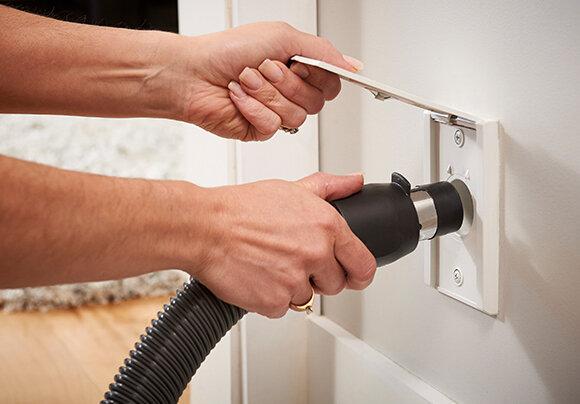
A central vacuum inlet is a wall-mounted connection point installed throughout a home. These inlets connect to a network of tubing hidden inside walls, which leads to a central vacuum power unit typically located in a garage, utility room, or basement.
When a cleaning hose is plugged into an inlet, the central vacuum system activates automatically, providing strong suction throughout the home.
Multiple inlets are strategically installed to ensure every room can be cleaned efficiently without relocating equipment.
Benefits of Central Vacuum Inlets for Whole House Cleaning
Easy Access Throughout the Home
One of the biggest advantages of a central vacuum inlet system is convenience.
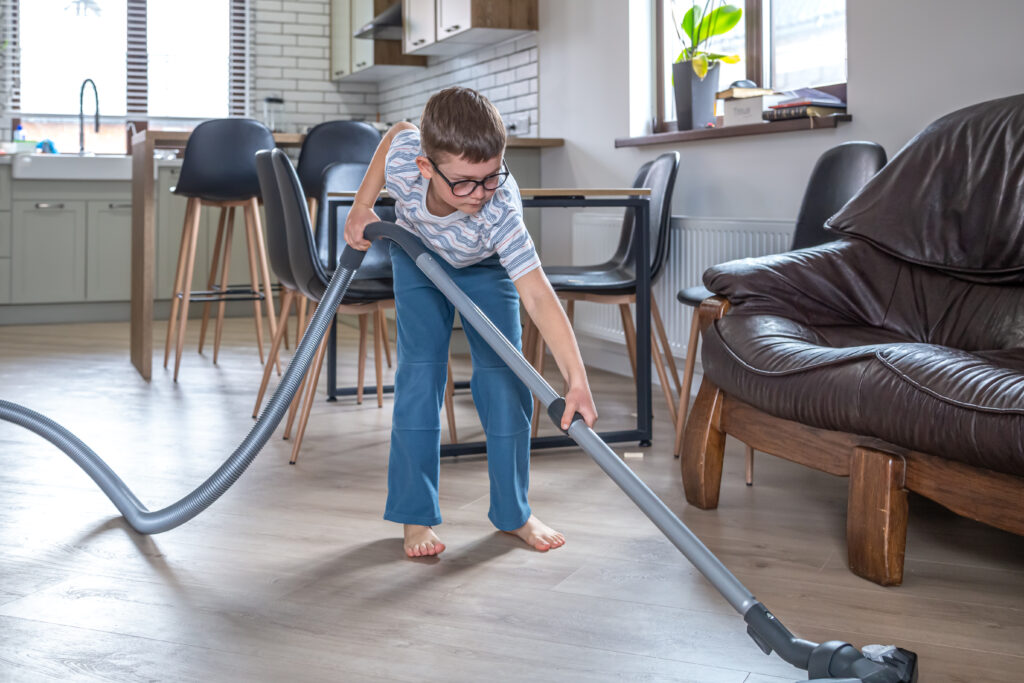
Rather than carrying a bulky vacuum cleaner between rooms, homeowners can simply connect a lightweight hose to the nearest wall inlet and begin cleaning.
Benefits include:
- Faster room-to-room cleaning
- Less physical effort
- Easier stair cleaning
- Greater convenience for larger homes
This accessibility encourages more frequent cleaning and reduces household maintenance time.
Powerful and Consistent Suction
Central vacuum systems typically provide stronger suction than portable vacuum cleaners.
Because the motor is located in a dedicated central unit, manufacturers can use larger and more powerful motors than those found in traditional vacuum cleaners.
Stronger suction helps remove:
- Pet hair
- Dust particles
- Dirt embedded in carpets
- Allergens
- Fine debris from hard surfaces
This deeper cleaning performance helps maintain cleaner floors and healthier living spaces.
Improved Indoor Air Quality
Indoor air quality is a major concern for many homeowners.
Traditional vacuum cleaners often recirculate fine dust particles back into the room through exhaust air. Even models with advanced filtration can release microscopic particles into the living space.
A central vacuum system works differently.
Collected dust, allergens, and debris are transported through sealed tubing to the central collection unit, where they remain isolated from living areas.
This helps reduce:
- Dust buildup
- Airborne allergens
- Pet dander
- Microscopic particles
Families with allergy sufferers, children, or elderly residents often appreciate the cleaner indoor environment central vacuum systems can provide.
Quieter Cleaning Experience
Noise is one of the most common complaints about traditional vacuum cleaners.
Because the main motor of a central vacuum system is installed away from living spaces, the cleaning process is significantly quieter.
This allows homeowners to:
- Clean while others are sleeping
- Work from home without disruption
- Maintain a quieter household environment
- Reduce noise-related stress
The result is a more comfortable cleaning experience for everyone in the home.
Faster Cleaning with Less Effort
Wall inlets positioned throughout the home eliminate many of the obstacles associated with traditional vacuuming.
Instead of:
- Unplugging and reconnecting cords
- Carrying heavy equipment
- Maneuvering around furniture
Users simply move the hose from one inlet to another.
This streamlined process can significantly reduce the time required for routine household cleaning.
Flexible Reach for Large Homes
Most central vacuum systems use long hoses that can cover multiple rooms from a single inlet location.
This flexibility allows homeowners to clean:
- Bedrooms
- Hallways
- Living rooms
- Staircases
- Entryways
without repeatedly relocating equipment.
For larger homes, this convenience can make a noticeable difference in cleaning efficiency.
Low Maintenance Requirements
Compared to traditional vacuum cleaners, central vacuum systems generally require less maintenance.
The central collection container stores larger amounts of debris, meaning it needs to be emptied less frequently.
Maintenance typically includes:
- Emptying the collection canister
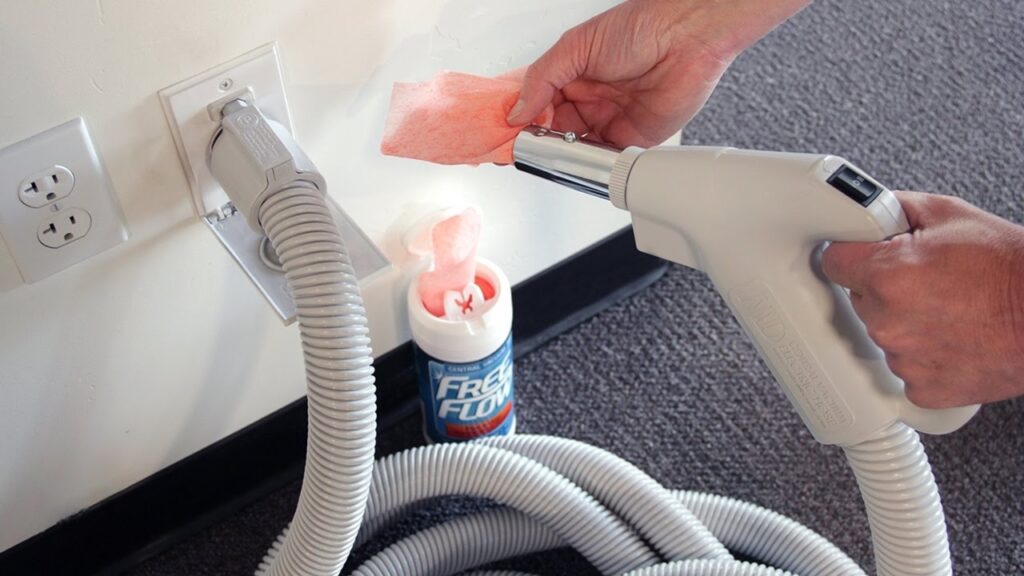
- Inspecting hoses and accessories
- Checking filters when applicable
Because the system is designed for long-term use, many homeowners find maintenance straightforward and manageable.
Better Cleaning Coverage Throughout the Home
Strategically placed vacuum wall inlets help ensure every area of the home can be reached effectively.
This helps prevent:
- Missed areas
- Dust accumulation
- Inconsistent cleaning routines
By providing convenient access throughout the house, central vacuum systems encourage more complete cleaning coverage.
Long-Term Convenience and Home Value
A built-in vacuum system is often considered a desirable home feature.
Potential benefits include:
- Improved household convenience
- Enhanced cleaning performance
- Modern home functionality
- Increased appeal to future buyers
While a central vacuum system should not be viewed solely as a home value upgrade, many homeowners appreciate the added convenience it brings to daily life.
Central Vacuum System vs Traditional Vacuum Cleaner
| Feature | Central Vacuum System | Traditional Vacuum |
|---|---|---|
| Suction Power | High | Moderate |
| Noise Level | Low | High |
| Indoor Air Quality | Better | Average |
| Portability | Excellent Through Inlets | Limited |
| Maintenance | Low | Moderate |
| Cleaning Coverage | Whole House | Room-by-Room |
| Convenience | Excellent | Average |
For many households, a central vacuum system offers a more efficient and comfortable cleaning solution.
Are Central Vacuum Inlets Worth It?
For homeowners seeking a cleaner, quieter, and more convenient way to maintain their property, central vacuum inlets can be a worthwhile investment.
They simplify daily cleaning by:
- Reducing physical effort
- Improving access throughout the home
- Delivering stronger suction
- Supporting better indoor air quality
- Making routine cleaning faster
When properly installed, a central vacuum system can provide years of reliable performance and convenience.
Conclusion
A central vacuum inlet improves whole-house cleaning by making powerful suction easily accessible throughout the home. Instead of carrying heavy vacuum cleaners from room to room, homeowners can simply connect a hose to a nearby inlet and clean efficiently.
From improved indoor air quality and stronger suction to quieter operation and faster cleaning, central vacuum systems offer numerous benefits for modern households. Whether you’re building a new home or upgrading an existing one, a professionally installed central vacuum system can provide a cleaner, more convenient way to maintain your living space.
Frequently Asked Questions
- What is a central vacuum inlet?
A central vacuum inlet is a wall-mounted connection point that allows homeowners to access a central vacuum system from various locations throughout the home. - How many central vacuum inlets does a home need?
The number depends on the home’s size and layout. Most homes use enough inlets to ensure every room can be reached with a vacuum hose. - Do central vacuum systems improve indoor air quality?
Yes. Central vacuum systems transport dust and allergens to a collection unit located away from living spaces, helping reduce airborne particles indoors. - Can a central vacuum system be installed in an existing home?
Yes. Many existing homes can be retrofitted with central vacuum systems through professional installation and proper planning. - Are central vacuum systems difficult to maintain?
No. Most systems require only occasional canister emptying and routine inspection of hoses, filters, and accessories.