A central vacuum is a convenient modern cleaning system that eliminates the hassle of carrying around a large vacuum and dealing with the noise associated with traditional cleaning equipment. However, things such as pet hair, small toys, strings, and dirty filters can create blockages inside the equipment. When airflow becomes restricted, homeowners may notice weak suction, unusual noises, or difficulty cleaning different areas of the home. Simple steps such as checking the hose, clearing the pipes, and emptying the canister can often restore proper performance. If you’re looking for information on the reasons behind a Clogged Central Vacuum and how to remedy it, So Cal Central Vacuum has prepared the following guide to help.
A blockage can occur in several different areas, including the hose, wall inlets, pipe network, filters, or main collection unit. The right solution depends on where the obstruction is located and what caused it. Understanding these common problems can help homeowners perform basic checks before considering professional assistance.
Why Is There Such a Wide Range Of Central Vacuum Problems?
Central vacuum performance can change for many different reasons. A system may experience reduced airflow because of an obstruction, an overfilled collection bag, dirty filters, or improper use. It is not always a sign that the main motor has failed. Homeowners may also notice their central vacuum not working properly when an obstruction prevents normal airflow.
These issues can include:
- Foreign objects entering the hose
- Pet hair and lint accumulating inside the pipes
- An overfilled collection bag
- Wet materials entering the system
- Dirty or restricted filters
- Blockages inside the pipe network
- Damaged or poorly sealed components
Unlike a simple portable vacuum, a built-in system has multiple connected components that work together to move debris from the inlet to the main collection unit. If one section becomes restricted, the entire system can experience reduced performance. That is why identifying the source of the problem is an important part of maintaining reliable suction.
The 5 Key Causes That Can Block A Central Vacuum
A central vacuum blockage may develop gradually as debris accumulates inside the system. In other cases, a single large object can immediately restrict airflow. Understanding the most common causes can make troubleshooting easier.
Foreign Objects
The vacuum is designed to collect normal household dust and small debris, not large objects. Items such as socks, paper clips, small toys, and strings can accidentally enter an inlet and become trapped inside the hose or pipe.
These objects can restrict airflow and may eventually create a central vacuum blockage that prevents debris from moving properly through the system.
Lint And Pet Hair Build-Up
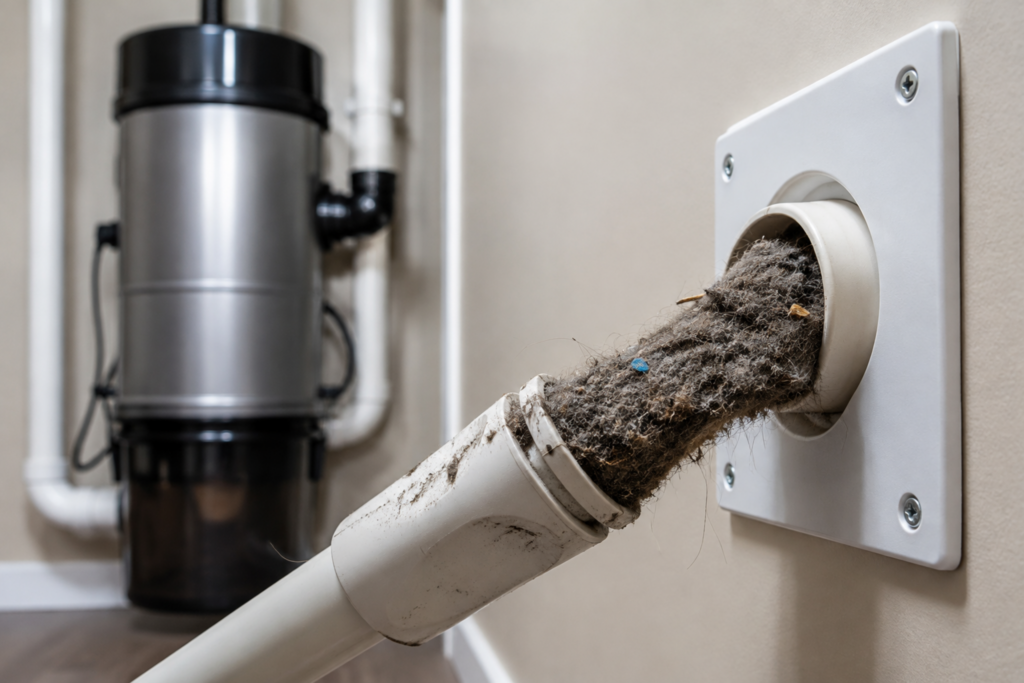
Pet hair, human hair, carpet fibers, and lint can gradually collect inside vacuum hoses and pipes. Although individual pieces may be small, continuous accumulation can eventually create a larger obstruction.
This buildup can reduce airflow and leave the central vacuum losing suction during normal cleaning. Regular inspection can help identify accumulation before it becomes a major problem.
Overfilled Collection Bag
A collection bag or canister that has reached its capacity can restrict airflow and reduce the system’s ability to collect additional debris. Homeowners may notice that the vacuum does not perform as efficiently as it normally does.
This can be particularly noticeable when using a Central Vacuum System in Los Angeles, CA, where regular cleaning and maintenance are important for consistent operation.
Improper Vacuuming
Central vacuum systems should not be used to collect materials they are not designed to handle. Wet debris, large amounts of drywall dust, construction waste, and similar materials can create dense accumulations inside the pipe network.
Using the system for unsuitable materials can increase the risk of blockages and may also place unnecessary strain on internal components. Proper use is especially important for Central vacuum systems for homes because these systems are designed for regular residential cleaning.
Dirty Filters
Filters play an important role in maintaining proper airflow and protecting the system from excessive dust. When filters become heavily covered with dirt, they can restrict airflow and reduce overall cleaning performance.
Regular central vacuum maintenance can help prevent dirty filters from becoming a cause of poor suction and inefficient operation.
How Can You Fix A Blocked Central Vacuum?
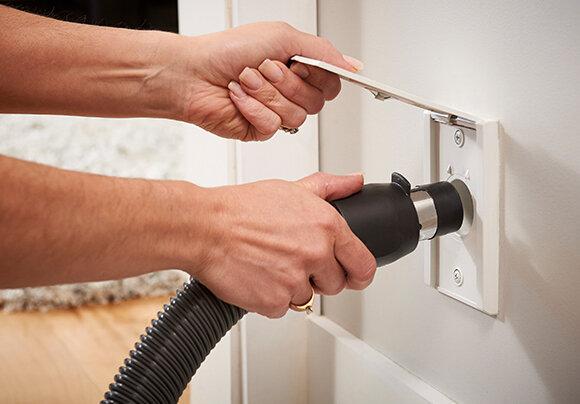
Once the source of the problem has been identified, several basic troubleshooting steps can help restore normal airflow.Homeowners often want to know how to unclog central vacuum equipment when suction suddenly becomes weak or debris stops moving through the system. They can begin with the easiest areas to inspect, such as the hose and collection unit, before checking deeper sections of the pipe network.
The most common approaches include:
- Checking the hose for visible obstructions
- Performing a nickel test
- Using reverse suction
- Manually removing larger objects
- Clearing blocked pipe sections
- Emptying the collection canister
- Cleaning or replacing dirty filters
- Inspecting the canister seal
These central vacuum cleaning tips can help homeowners address minor blockages and identify situations where additional service may be necessary.
Check And Clear The Hose
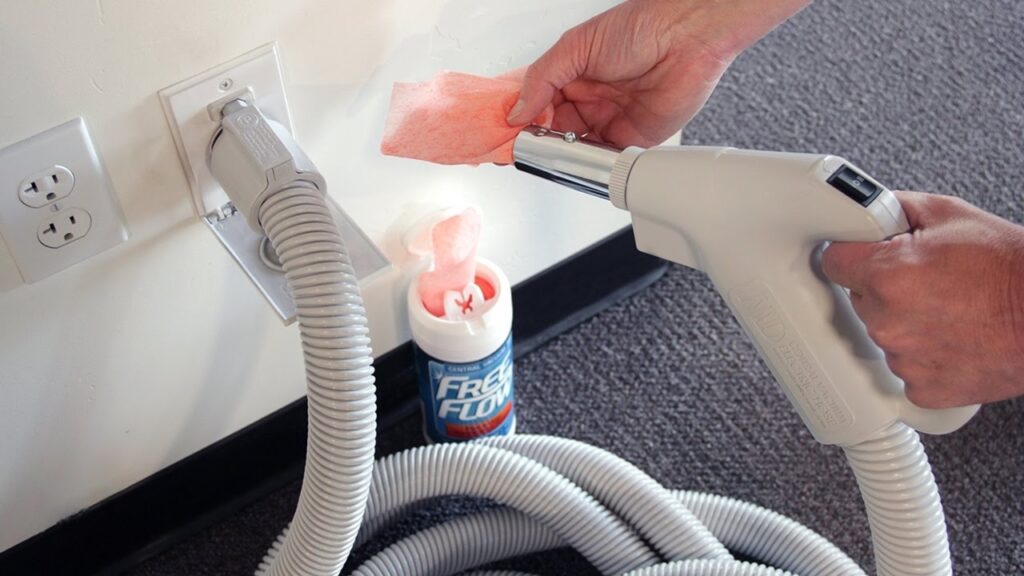
The hose is one of the first areas to inspect because larger debris can become trapped before reaching the main pipe network. A few simple methods can help locate and remove an obstruction.
Nickel Test: Drop a nickel through the hose. If it does not travel through the hose freely, an obstruction may be present.
Reverse Suction: Connect the hose or handle to the main unit in the appropriate configuration and use suction to help pull the blockage backward.
Manual Removal: If the obstruction is visible and safely accessible, a suitable handle or similar tool may help push it out.
These steps can be useful for basic central vacuum clog removal when the obstruction is located inside the hose.
Clear The Pipe Network
If the hose is clear but suction remains weak, the blockage may be deeper inside the pipe network. In this situation, homeowners can check the wall inlets and determine whether a particular section is affected.
Seal Outlet: Once the suspected area is identified, seal the nearest outlet with your hand or a suitable cloth.
Reverse Airflow: A separate vacuum can sometimes be connected to the affected outlet to help pull debris from the pipe.
If these methods do not restore airflow, the obstruction may be located deeper in the system and require professional inspection.
Inspect The Main Unit
If the hose and pipe network appear clear, the main collection unit should also be checked. An overfilled canister, restricted filter, or damaged seal can affect overall performance.
Empty Canister: Remove accumulated dirt and debris from the collection container.
Clean Filters: Inspect the filters and clean or replace them according to the manufacturer’s recommendations.
Inspect Canister Seal: Check the seal around the collection unit for visible damage or gaps that could affect airflow.
When basic checks do not resolve the problem, professional central vacuum system repair may be needed to identify mechanical or internal issues.
Central Vacuum Troubleshooting Checklist
Still experiencing weak suction or poor cleaning performance? Consider the following questions:
- Is the hose completely clear?
- Does the nickel pass through the hose?
- Is the collection bag or canister full?
- Have the filters been cleaned or replaced?
- Are the wall inlets showing normal suction?
- Could a large object be trapped inside the pipe?
- Has the system been used to collect wet or unsuitable materials?
If you answered “Yes” to a problem involving the hose, collection unit, or filters, addressing that area may restore normal performance. If the system continues to operate poorly, professional inspection may be appropriate.
Why Professional Central Vacuum Service Matters
A built-in vacuum system includes hoses, wall inlets, pipes, filters, collection components, and a central motor that must work together correctly. When troubleshooting does not resolve the issue, attempting to dismantle internal components without the appropriate knowledge can lead to additional problems.
Professional technicians can inspect the system, locate difficult blockages, evaluate airflow, and identify damaged components. This is especially important when a blockage is deep inside the pipe network or when the main unit is experiencing mechanical problems.
For homeowners considering Central Vacuum Installation in Los Angeles, CA, professional installation can also help ensure that the system is properly designed, connected, and positioned for reliable long-term operation.
Conclusion
A central vacuum can become blocked because of foreign objects, pet hair, lint, overfilled collection bags, unsuitable materials, and dirty filters. Identifying the location of the obstruction is the first step toward restoring proper airflow and cleaning performance.
Simple methods such as the nickel test, reverse suction, manual removal, filter cleaning, and canister inspection can help resolve minor problems. When these methods do not work, professional evaluation may be necessary. Regular cleaning and proper use can also help reduce the likelihood of recurring blockages and maintain reliable performance.
FAQs
1. What are the common causes of a clogged central vacuum?
Common causes include debris or foreign objects in the hose, blocked piping, a full dirt canister, clogged filters, and unsuitable materials entering the system.
2. How can I tell if my central vacuum hose is clogged?
Disconnect the hose and check its airflow. You can also inspect the hose for an obstruction or use a small object to determine whether something is preventing air from passing through.
3. What should I check if my central vacuum has low suction?
Start by checking the hose, collection canister, filters, and pipe system. A full canister, clogged filter, hose obstruction, or blocked tubing can all reduce suction.
4. How can I clear a blockage inside central vacuum pipes?
First identify which inlet has reduced suction. Depending on the system, reverse suction or controlled airflow can sometimes pull the obstruction free. Persistent blockages may require professional service.
5. How often should central vacuum filters be cleaned?
Filters should be inspected and cleaned or replaced according to the manufacturer’s instructions. A filter covered with dust and debris can restrict airflow and reduce cleaning performance.