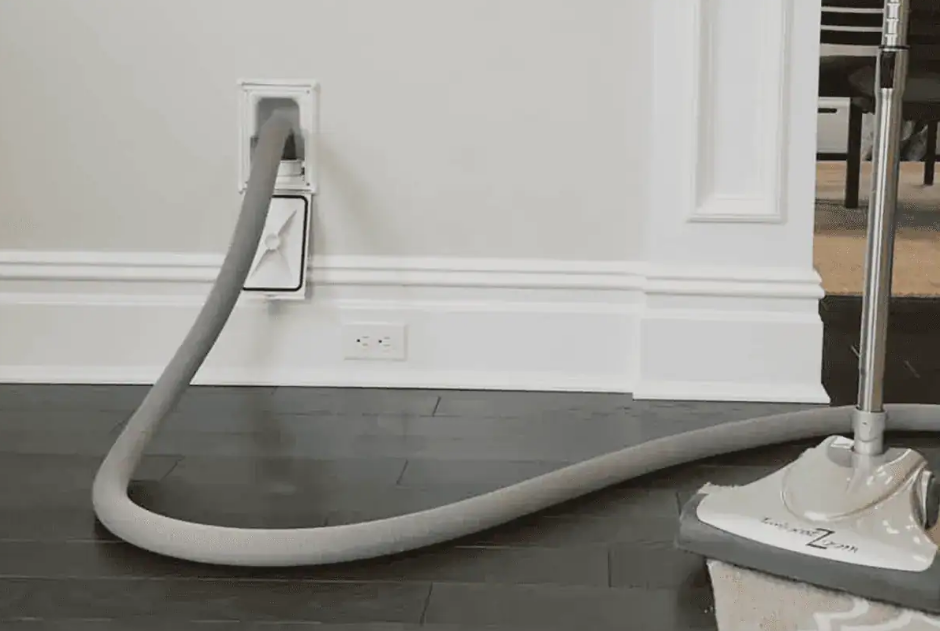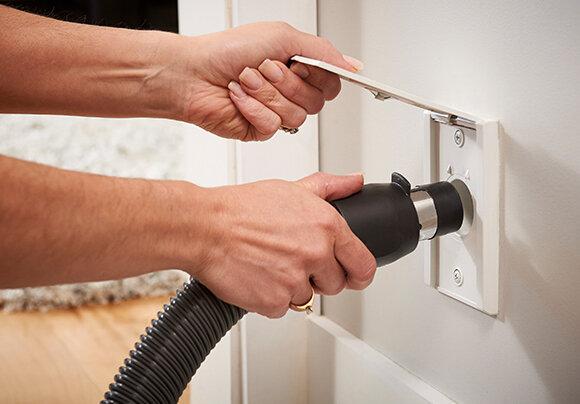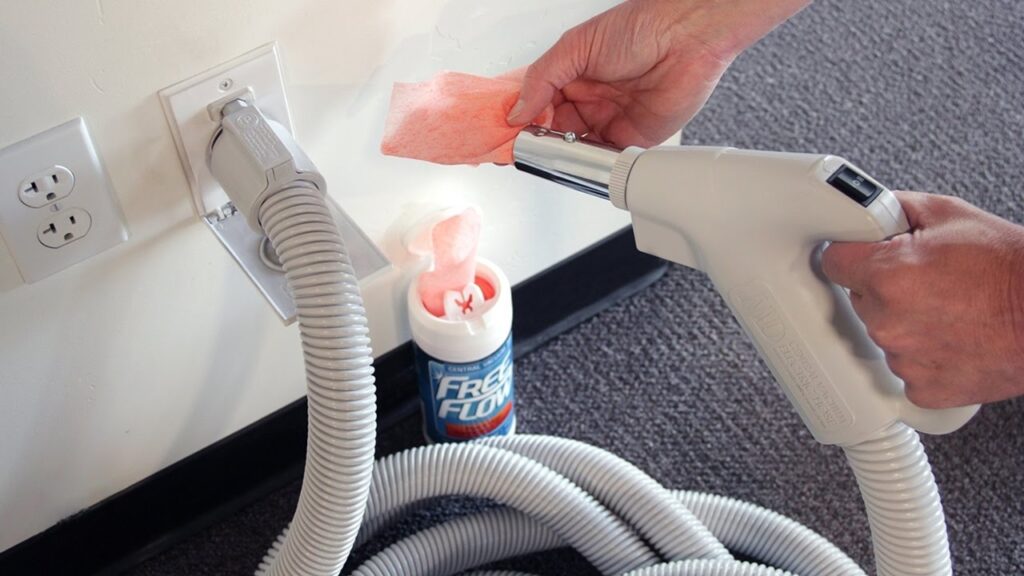
A central vacuum system should remove dirt from floors, carpets, and other surfaces without losing suction at the wall inlet. If the motor runs but dust stays on the floor, a blockage inside the hose or pipe network may be the cause. However, weak suction can also result from a full dirt container, a dirty filter, an air leak, or a worn motor.
For homeowners in Orange County, CA, the right fix starts with finding where airflow stops. Replacing parts before checking the system can waste money and leave the problem unresolved. This guide explains how to identify a central vacuum pipe clog, which checks you can safely perform, and when professional service is the better choice.
1. Signs Your Central Vacuum Pipe May Be Clogged
A blocked pipe does not always cause the entire system to stop working. In some homes, one wall inlet loses suction while the others continue to work normally. In other cases, airflow drops throughout the house.
Watch for these signs:
- One wall inlet has little or no suction.
- The motor runs, but dirt remains on the floor.
- Suction suddenly drops after vacuuming a larger object.
- Airflow changes between wall inlets.
- The system makes an unusual whistling sound.
- Cleaning takes longer because the vacuum removes less dirt.
These symptoms help narrow down the problem, but they do not confirm a pipe clog by themselves. A full dirt canister, blocked hose, or damaged seal can cause similar problems.
Start by checking whether the issue affects one inlet or the entire system. If only one inlet performs poorly, the problem may be limited to that branch of the pipe network. If every inlet has weak suction, check the central unit and hose before assuming the main pipe is blocked.
2. What Causes a Central Vacuum Pipe Clog?
Central vacuum pipes carry dirt and debris from wall inlets to a central collection unit. The system depends on clear airflow through the entire route. When an object becomes trapped, suction can drop even if the motor still runs.
Common causes include oversized debris, small objects picked up accidentally, and materials that collect around pipe joints. Hair and lint can also contribute to restrictions when they combine with other debris.
Construction work can create a different type of problem. Drywall dust, plaster, wood chips, and renovation waste may overload filters or collect inside parts of a system that was not designed to handle those materials. Check the equipment instructions before vacuuming construction debris.
Pipe layout also matters. A poorly placed fitting, damaged section, or unsuitable connection may create a spot where debris gets trapped repeatedly. If the same inlet keeps clogging after cleaning, the issue may involve the installation rather than ordinary household dirt.
Finding the cause helps prevent the same blockage from returning.
3. Check the Hose, Filter, and Dirt Canister First
Before attempting central vacuum pipe clog removal in Orange County, CA, rule out the simpler causes of weak suction. These checks can help you avoid unnecessary pipe repairs.
First, turn off the system and inspect the hose for visible obstructions or damage. Check the cleaning wand and floor attachment for packed debris. A blockage in either part can make the whole system appear less powerful.
Next, inspect the dirt canister or collection bag. Empty or replace it according to the equipment instructions. If your model has a removable filter, check whether it needs cleaning or replacement. Only wash a filter if the manufacturer allows it, and let it dry fully before reinstalling it.
You can then compare suction at the central unit and at a wall inlet, following the instructions for your specific model. If suction is strong at the unit but weak at one inlet, the hose, inlet, or connecting pipe may be restricting airflow. If suction is weak directly at the unit, the problem may be elsewhere.
Do not open electrical parts or disconnect powered equipment while it is running. If these checks do not reveal the cause, further testing can help locate the fault without replacing working components.
4. How to Locate a Clog in the Pipe Network
The best way to locate a blockage is to compare airflow at different points in the system. This gives you a clearer idea of which section needs attention.
Start by testing each wall inlet with the same hose and a suitable attachment. Record which inlets have normal suction and which have weak suction. If one inlet fails while nearby inlets work, focus on that branch rather than assuming the main pipe is blocked.
If all inlets perform poorly, inspect the collection unit and hose first. A system-wide problem can come from a restricted main pipe, an air leak, or a problem with the power unit.
The next step is to check accessible pipe sections based on the layout of the network. Some systems have exposed piping in a garage, utility room, attic, or crawl space. These areas may help a technician inspect the system without opening finished walls.
Avoid cutting drywall or flooring simply to search for a clog. A professional can use the system layout and airflow tests to narrow down the likely location before deciding whether access is needed.
5. Safe Ways to Clear a Central Vacuum Pipe Clog
Some minor blockages can be cleared without opening the walls. The correct method depends on the system design and the type of debris.
Try the basic suction test
Remove the hose and inspect it separately. If your equipment instructions permit direct testing at the power unit, compare suction there with suction at the affected inlet. Turn the system off before changing connections.
Check the inlet opening
With the system switched off, inspect the wall inlet for visible debris. Remove only material you can reach safely. Avoid pushing objects deep into the pipe, as this may move the blockage farther into the system.
Use a suitable clearing method
Some central vacuum systems allow carefully controlled reverse airflow or the use of approved clearing tools. These methods may help with certain blockages, but they are not suitable for every system.
Do not force a metal snake, sharp wire, or rigid rod through the pipe. These tools may damage fittings or joints hidden inside the walls. Do not pour water or chemical drain cleaners into the system.
If a blockage remains in place, stop before applying more force. Professional equipment can help remove the obstruction while reducing the risk of pipe damage.
6. When Professional Central Vacuum Repair Is the Better Choice
Professional service is a good option when basic checks fail or the blockage appears to be inside a concealed pipe. Repeatedly trying to force debris through the system can turn a simple obstruction into a more costly repair.
A technician can inspect airflow, test individual inlets, check the power unit, and narrow down the affected pipe section. If the problem comes from a damaged fitting or disconnected pipe, clearing debris alone will not restore normal suction.
Professional help is especially useful in these situations:
- Several wall inlets have lost suction.
- A blockage returns soon after clearing.
- The motor runs but airflow remains very weak.
- You suspect a pipe has cracked or separated.
- Recent remodeling may have damaged a hidden pipe.
- The system shuts off during use or makes unusual noises.
For homeowners in Orange County, CA, identifying the exact fault before starting repairs can help limit unnecessary work. Ask the service provider to explain whether the issue is a clog, an air leak, a damaged pipe, or a power unit problem.
A clear diagnosis also helps you decide whether the system needs cleaning, a small repair, or a larger replacement.
7. How to Prevent Future Central Vacuum Pipe Clogs
Preventing blockages starts with using the system as intended. Central vacuum systems are built for household cleaning, but they can still become blocked if large or unsuitable materials enter the pipe network.
Use the correct hose and attachments for each surface. Check the collection bag or canister regularly, and maintain filters according to the equipment instructions. A full container or restricted filter can reduce airflow and make the system work harder.
Avoid vacuuming wet debris, plaster, drywall dust, or heavy construction waste unless the equipment instructions specifically allow it. These materials can cause problems that routine household cleaning does not.
Pay attention to changes in suction. If one inlet begins performing poorly, inspect it before the problem spreads or cleaning becomes more difficult. Keep a record of recurring blockages, especially if they happen at the same inlet.
Homeowners planning renovations should also protect vacuum inlets from dust and debris during construction. After the work is complete, check the system before returning it to regular use.
Regular maintenance cannot prevent every blockage, but it can help you spot problems early and reduce the chance of repeated repairs.
Get Help With Central Vacuum Pipe Clogs in Orange County, CA
A central vacuum that stops picking up dirt does not always need a new motor or a full system replacement. The problem may be a simple hose obstruction, a full collection container, or a clog inside one section of pipe. Testing the system before replacing parts helps identify the repair it actually needs.
If your central vacuum has weak suction, a blocked inlet, or a recurring pipe obstruction, contact So Cal Central Vacuum for help diagnosing the problem. Visit So Cal Central Vacuum to learn about available services and discuss the symptoms affecting your system.
A proper inspection can help restore airflow and reduce the risk of damage from repeated do-it-yourself attempts. The goal is to find the cause, correct it, and get your central vacuum working as intended.