Installing a Central Vacuum Installation system is one of the smartest home improvements homeowners can make in 2026. Unlike traditional portable vacuums, a built-in system offers greater cleaning power, quieter operation, improved indoor air quality, and increased property value. Whether you’re building a new home or upgrading an existing one, understanding installation costs helps you budget wisely and avoid unexpected expenses.
At So Cal Central Vacuum, homeowners are discovering that investing in a professionally installed central vacuum system delivers long-term convenience, energy efficiency, and healthier living. If you’re considering a central vacuum system in Richvale, CA, this guide explains everything you need to know about installation costs, factors affecting pricing, maintenance expenses, and whether the investment is worth it.
What Is Central Vacuum Installation?
Central Vacuum Installation involves installing a built-in vacuum system inside your home or commercial property. Instead of carrying a heavy vacuum room to room, dirt and debris travel through hidden PVC tubing installed inside the walls to a powerful collection unit located in a garage, basement, or utility room.
The system typically includes:
- Power unit
- PVC tubing network
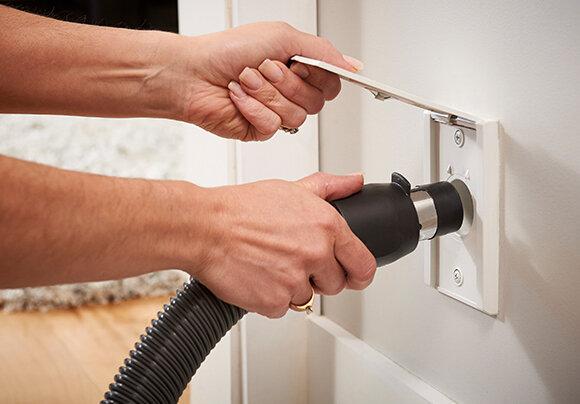
- Vacuum inlet installation
- Flexible hoses
- Cleaning attachments
- Exhaust filtration system
- Optional retractable hose systems
- Smart controls
A professionally installed whole-house vacuum system in Richvale, CA provides stronger suction, quieter operation, and significantly reduces airborne dust compared to traditional vacuums.
Average Central Vacuum Installation Cost in 2026
The average Central Vacuum Installation cost in 2026 ranges between $1,800 and $5,500, depending on the size of the property, the complexity of installation, and the quality of the equipment selected.
| Installation Type | Average Cost |
| Basic System | $1,800–$2,500 |
| Standard Residential Installation | $2,500–$4,000 |
| Premium Smart System | $4,000–$6,500 |
| Luxury Homes | $6,500–$10,000+ |
| Commercial Central Vacuum Systems | $8,000–$25,000+ |
National Average: $3,600
Central Vacuum Installation Cost Breakdown
Understanding where your money goes helps you evaluate quotes from contractors.
| Component | Average Cost |
| Central Vacuum Power Unit | $700–$2,000 |
| PVC Pipe Network | $300–$1,200 |
| Vacuum Inlet Installation in Richvale, CA | $200–$800 |
| Hoses & Attachments | $250–$900 |
| Electrical Work | $300–$900 |
| Labor | $700–$2,500 |
| Smart Accessories | $300–$1,500 |
Cost by Home Size
Larger homes require additional tubing, more vacuum inlets, and higher-capacity power units.
| Home Size | Estimated Cost |
| Under 1,500 sq. ft. | $1,800–$2,800 |
| 1,500–2,500 sq. ft. | $2,500–$4,000 |
| 2,500–4,000 sq. ft. | $3,500–$5,500 |
| 4,000–6,000 sq. ft. | $5,000–$7,500 |
| Over 6,000 sq. ft. | $7,500–$12,000+ |
Factors That Affect Central Vacuum Installation Costs
No two homes are exactly alike, which is why installation costs can vary considerably. Several important factors determine the final investment.
1. Home Size
The larger the property, the more piping, vacuum inlets, and labor hours are required. A small home may only need three or four inlets, while larger homes often require eight or more.
2. New Construction vs Existing Home
Installing a home vacuum system during new construction is generally much more affordable because contractors can access walls before drywall is installed.
New Construction
- Easier installation
- Less labor
- No drywall repairs
- Lower installation costs
Average Cost:
$1,800–$3,500
Existing Homes
Retrofitting an existing house requires technicians to work around finished walls, insulation, and existing plumbing or electrical systems.
Average Cost:
$3,000–$6,500
3. Number of Vacuum Inlets
Each inlet adds both material and labor costs.
Typical homes require:
- Small homes: 3–4 inlets
- Medium homes: 5–7 inlets
- Large homes: 8–12 inlets
Each additional inlet typically costs $100–$300.
4. Power Unit Quality
Not all central vacuum units perform the same.
Entry-level systems are suitable for smaller homes, while premium models offer:
- Stronger suction
- Larger dirt capacity
- Better filtration
- Longer lifespan
- Smart monitoring
- Quieter operation
Higher-quality units generally reduce maintenance and improve cleaning performance over time.
5. Hose Technology
Traditional hoses are the most affordable option.
Retractable hose systems, which store the hose inside the wall piping, offer greater convenience but increase installation costs.
Options include:
- Standard hose
- Electric power hose
- Retractable Hide-A-Hose systems
- Smart hose management
6. Smart Home Features
Many homeowners now choose smart home vacuum solutions that integrate with modern home automation systems.
Optional upgrades include:
- Wi-Fi monitoring
- Mobile app notifications
- Automatic maintenance reminders
- Smart diagnostics
- Remote system control
These features typically add $300–$1,500 to the overall project cost but can improve convenience and system monitoring.
7. Property Layout
A single-story home is usually easier to install than a multi-level property with complex framing, finished basements, or limited wall access.
Homes with vaulted ceilings, custom architecture, or extensive remodeling needs often require additional labor, which increases installation costs.
Is Central Vacuum Installation Worth the Cost?
For many homeowners, a central vacuum system is a long-term investment that pays off through improved convenience, cleaner indoor air, and reduced maintenance compared to traditional portable vacuums.
Key advantages include:
- Stronger suction for deep cleaning
- Quieter operation since the motor is located away from living spaces
- Reduced allergens and dust recirculation
- Increased home value
- Longer equipment lifespan
- Less effort when cleaning large homes
- Lower ongoing maintenance requirements
In addition, a professionally installed energy-efficient vacuum system in Richvale, CA can contribute to a healthier indoor environment by removing dust and debris more effectively than many portable models.
Residential vs. Commercial Central Vacuum Systems
While the core technology is similar, residential and commercial systems are designed for different levels of use.
| Feature | Residential System | Commercial System |
| Typical Property | Homes | Offices, Hotels, Schools |
| Motor Size | Medium | Heavy-Duty |
| Number of Users | Low | High |
| Installation Complexity | Moderate | High |
| Average Cost | $2,500–$5,500 | $8,000–$25,000+ |
| Maintenance Needs | Low | Moderate to High |
Commercial central vacuum systems are built for frequent, high-volume cleaning and often include larger collection units, longer pipe runs, and more vacuum inlets to serve multiple areas efficiently.
Installation Process: What to Expect
Understanding the installation process helps homeowners know what to expect and why professional installation is important for long-term system performance.
Step 1: Home Evaluation
Every successful Central Vacuum Installation begins with a thorough assessment of your property. A professional installer evaluates:
- Home size
- Floor plan
- Wall accessibility
- Existing utilities
- Garage or utility room location
- Number of floors
- Cleaning requirements
This evaluation determines the ideal pipe routing and the number of vacuum inlets needed for efficient coverage.
Step 2: System Design
After evaluating the home, technicians design a customized built-in vacuum system layout.
The design includes:
- Power unit location
- Pipe routing
- Vacuum inlet placement
- Exhaust vent location
- Electrical connections
- Future expansion options
Proper planning minimizes suction loss while maximizing cleaning performance throughout the property.
Step 3: Installing PVC Tubing
Hidden PVC tubing forms the backbone of the system. Installers run specialized vacuum piping through:
- Interior walls
- Ceilings
- Crawl spaces
- Basements
- Attics
The tubing connects every inlet to the central power unit, creating an efficient network that transports dust and debris directly to the collection canister.
Step 4: Vacuum Inlet Installation
Next comes the vacuum inlet installation in Richvale, CA.
These wall-mounted inlets are strategically positioned so that each area of the home can be cleaned using a hose without unnecessary overlap.
Most homes require between four and eight inlets depending on square footage and layout.
Common locations include:
- Hallways
- Living rooms
- Bedrooms
- Kitchens
- Garages
- Basements
Proper placement ensures every room is accessible while reducing the need for extra equipment.
Step 5: Installing the Power Unit
The power unit is usually installed in a garage, utility room, or basement to keep operating noise away from living spaces.
During installation, professionals:
- Secure the motor unit
- Connect the pipe network
- Install electrical wiring
- Add the debris collection container
- Connect the exhaust system
A correctly installed power unit provides maximum suction while extending the life of the entire system.
Step 6: System Testing
Before the project is complete, technicians thoroughly test the entire system.
Testing includes:
- Airflow measurement
- Suction testing
- Leak detection
- Electrical safety inspection
- Hose compatibility
- Motor performance
- Inlet functionality
This final inspection ensures every component operates efficiently before the system is handed over to the homeowner.
Residential Central Vacuum Installation
A residential central vacuum installation is one of the most valuable upgrades for modern homes.
Unlike portable vacuums that recirculate fine dust into living spaces, central systems remove dirt completely from the home through dedicated piping.
Homeowners particularly appreciate:
- Faster cleaning
- Less physical effort
- Better allergy control
- Quieter operation
- Improved home resale value
- Reduced indoor dust
Whether you own a small home or a large custom residence, a central vacuum system can be tailored to your needs.
Commercial Central Vacuum Systems
Businesses also benefit from professionally designed commercial central vacuum systems.
Commercial applications include:
- Hotels
- Schools
- Hospitals
- Office buildings
- Retail stores
- Apartment complexes
- Industrial facilities
These systems are engineered for continuous use and can support multiple operators simultaneously while maintaining powerful suction.
Benefits for Commercial Properties
- Faster cleaning schedules
- Lower labor costs
- Improved indoor cleanliness
- Better air quality
- Longer equipment lifespan
- Reduced equipment replacement expenses
Although the initial investment is higher, commercial systems often deliver significant savings over time due to their durability and efficiency.
New Construction vs. Existing Home Installation
The stage of your home significantly impacts installation costs, labor requirements, and project timelines.
| Feature | New Construction | Existing Home |
| Installation Difficulty | Low | Moderate to High |
| Labor Cost | Lower | Higher |
| Wall Repairs | None | Sometimes Required |
| Installation Time | 1–2 Days | 2–5 Days |
| Overall Cost | Lower | Higher |
New Construction
Installing a whole-house vacuum system in Richvale, CA during construction is generally the most cost-effective option. Since the walls are open, technicians can install the tubing quickly without disturbing finished surfaces.
Advantages include:
- Lower labor costs
- Faster installation
- Easier pipe routing
- Greater flexibility in inlet placement
Existing Homes
Retrofitting an existing home requires more planning but is still a practical option. Experienced installers use attics, crawl spaces, closets, and utility areas to conceal piping with minimal disruption. Although installation may take longer, homeowners can still enjoy the full benefits of a central vacuum system without major remodeling.
Central Vacuum System Benefits
Many homeowners initially focus on installation costs but overlook the long-term value a central vacuum system provides.
Superior Cleaning Performance
A central vacuum motor is significantly more powerful than most portable vacuums, allowing it to remove dirt, pet hair, dust, and debris more effectively from carpets, hardwood floors, and upholstery.
Improved Indoor Air Quality
One of the biggest advantages is indoor air quality improvement in Richvale, CA. Traditional vacuums often release microscopic dust particles back into the room through their exhaust. A central vacuum system transports dirt outside the living area to a sealed collection container, helping reduce:
- Dust
- Allergens
- Pet dander
- Pollen
- Fine airborne particles
This makes central vacuum systems an excellent option for households with allergy or asthma concerns.
Quiet Operation
Because the motor is installed away from living areas, the system operates much more quietly than conventional vacuums. Homeowners can clean without disturbing children, pets, or others working or relaxing in the home.
Increased Property Value
Many buyers view a professionally installed home vacuum system as a premium home feature. It adds convenience and can make a property more attractive in competitive real estate markets, potentially increasing resale value.
Long Equipment Lifespan
Portable vacuums often need replacement every 5–8 years. A professionally installed central vacuum system can last 20 years or longer, with many power units remaining reliable for decades when properly maintained.
Convenience
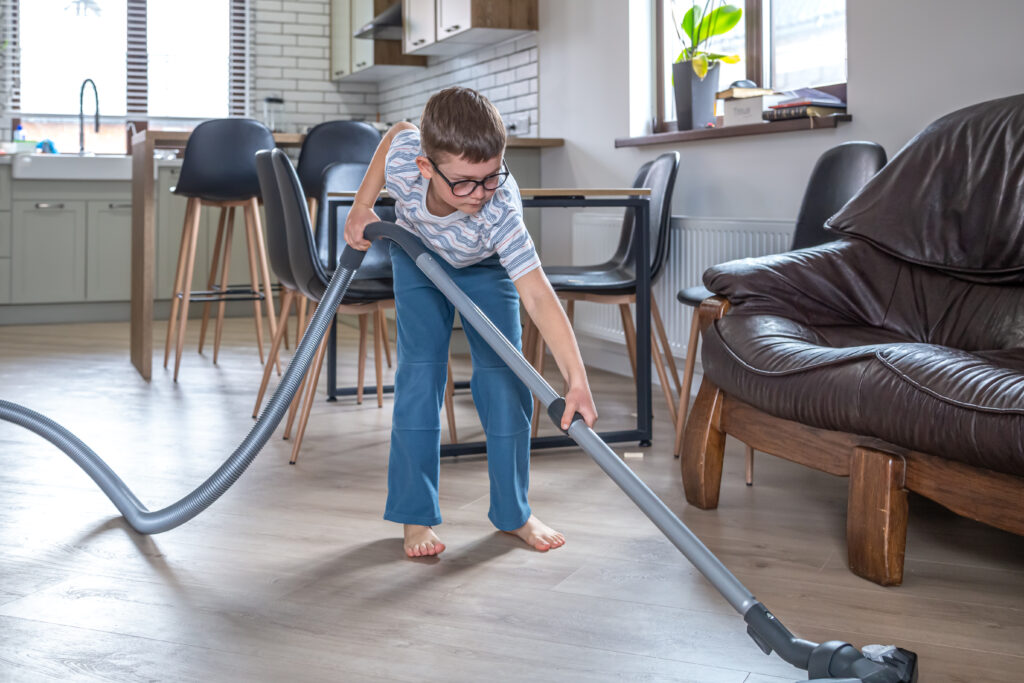
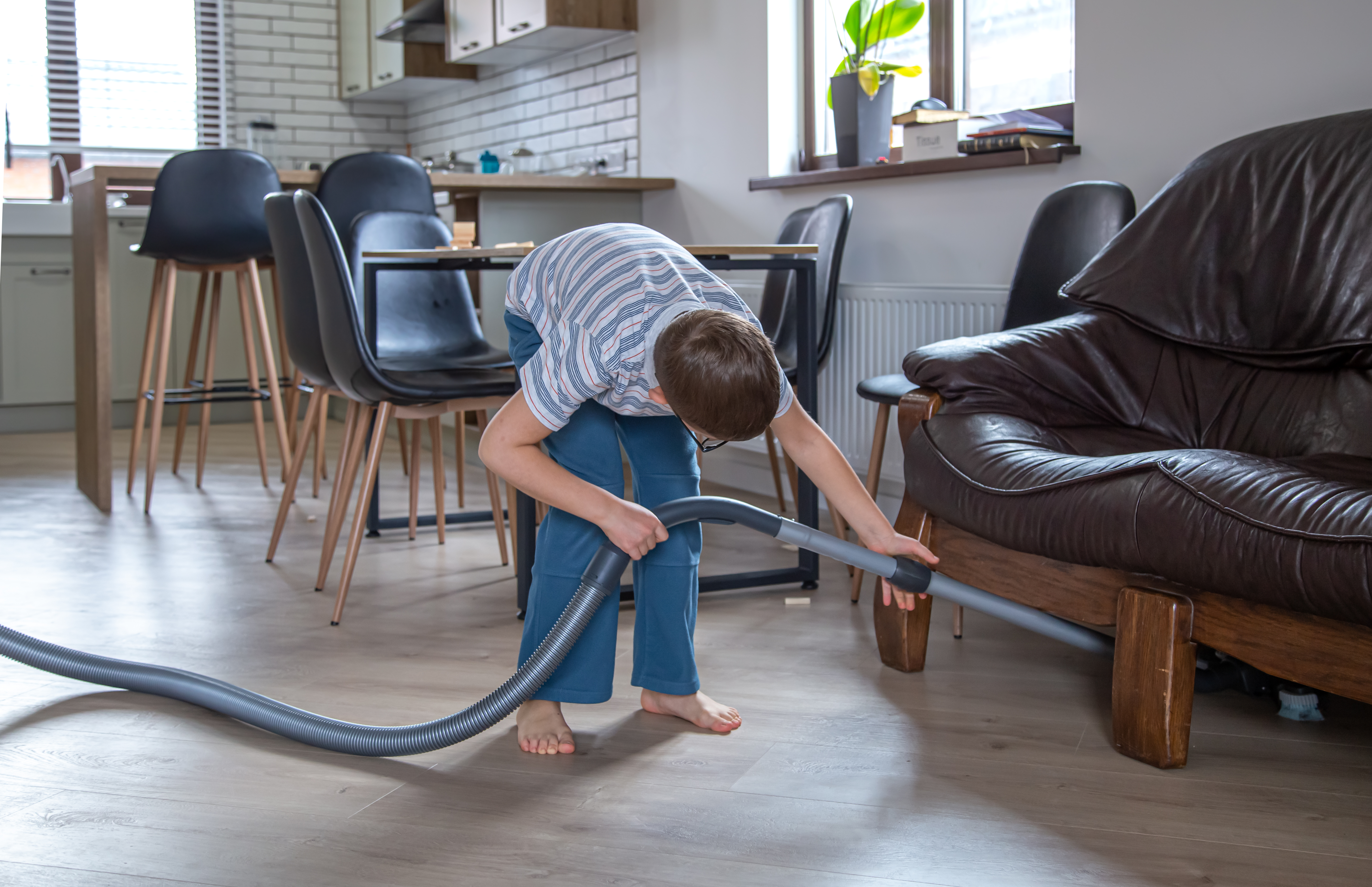
Instead of carrying a heavy vacuum upstairs or from room to room, users simply connect a lightweight hose to the nearest inlet. Cleaning becomes faster, easier, and less physically demanding.
Why Professional Vacuum Installation Matters
While some homeowners consider DIY installation, professional installation offers important advantages.
A qualified installer ensures:
- Proper pipe sizing
- Correct suction calculations
- Leak-free connections
- Safe electrical wiring
- Optimal inlet placement
- Maximum airflow
- Compliance with local building codes
Poor installation can lead to reduced suction, air leaks, clogged pipes, excessive motor wear, and higher repair costs over time.
Choosing professional vacuum installation helps protect your investment and ensures the system performs efficiently for years to come.
Central Vacuum Maintenance Costs in 2026
Like any home appliance, a central vacuum system performs best with routine care. Fortunately, maintenance requirements are minimal compared to traditional portable vacuums. Regular upkeep helps extend the system’s lifespan, maintain powerful suction, and reduce the likelihood of expensive repairs.
Average Central Vacuum Maintenance Costs
| Maintenance Service | Average Cost |
| Annual System Inspection | $100–$200 |
| Filter Cleaning or Replacement | $30–$150 |
| Dust Canister Cleaning | $0–$50 |
| Motor Inspection | $75–$200 |
| Hose Inspection | $50–$150 |
| Full Preventive Maintenance | $150–$350 |
Maintenance Tips to Extend System Life
Follow these best practices to keep your system running efficiently:
- Empty the collection canister before it becomes completely full.
- Clean or replace filters according to the manufacturer’s recommendations.
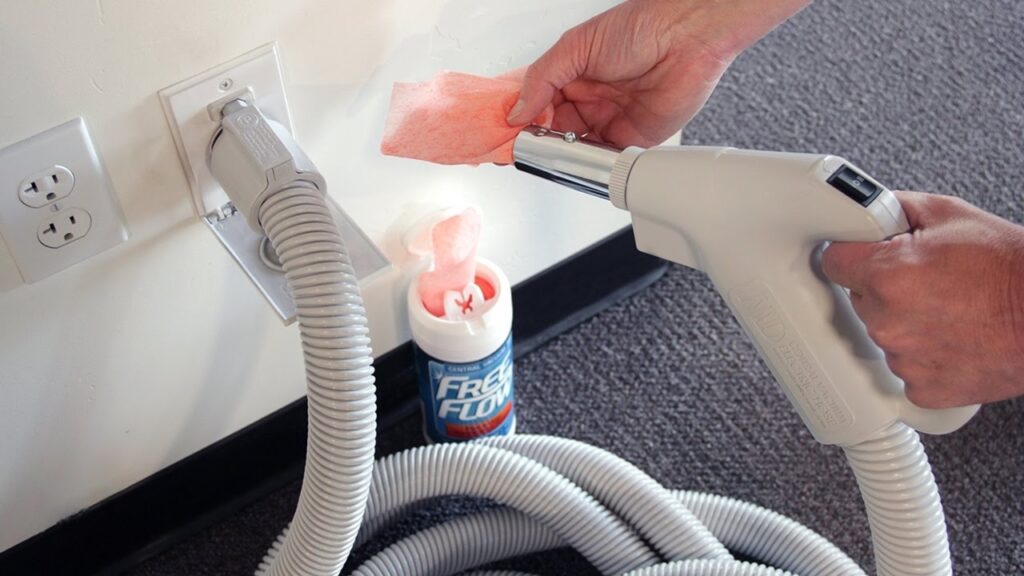
- Inspect hoses for blockages or damage.
- Test each vacuum inlet periodically to ensure proper suction.
- Schedule a professional inspection once a year.
- Avoid vacuuming large construction debris unless the system is designed for it.
- Keep attachments clean and stored properly.
Routine central vacuum maintenance helps preserve suction power, improve efficiency, and maximize the return on your investment.
Central Vacuum Repair Costs
Even high-quality systems may require occasional repairs after years of use. Understanding common repair costs helps homeowners budget for future maintenance.
| Repair Type | Average Cost |
| Motor Replacement | $300–$900 |
| Circuit Board Repair | $150–$500 |
| Hose Replacement | $100–$300 |
| Vacuum Inlet Repair | $75–$250 |
| Pipe Leak Repair | $150–$500 |
| Power Unit Replacement | $700–$2,000 |
Common Signs Your System Needs Repair
Contact a professional if you notice any of the following:
- Reduced suction power
- Unusual motor noises
- Burning smell during operation
- Vacuum inlets losing suction
- Frequent system shutdowns
- Electrical issues
- Visible cracks in hoses or fittings
Prompt central vacuum repair can prevent minor issues from becoming costly replacements.
How to Save Money on Central Vacuum Installation
A central vacuum system is a long-term investment, but there are several ways to reduce installation costs without sacrificing quality.
Install During New Construction
Installing the piping before drywall is completed significantly lowers labor costs and makes the process more efficient.
Choose the Right System Size
Avoid paying for an oversized power unit. A professional installer can recommend a system that matches your home’s square footage and cleaning needs.
Limit Unnecessary Accessories
While smart features and premium attachments add convenience, prioritize upgrades that provide real value for your lifestyle and budget.
Plan for Future Expansion
If you’re remodeling or adding square footage later, discuss future expansion options during the initial installation to avoid additional labor later.
Invest in Professional Installation
Although DIY installation may seem less expensive upfront, professional installation reduces the risk of air leaks, poor suction, and costly repairs caused by improper installation.
Is a Central Vacuum System Worth the Investment?
For many homeowners, the answer is yes. While the upfront cost is higher than purchasing a portable vacuum, a central vacuum system offers long-term benefits that often outweigh the initial investment.
Long-Term Value
- Lasts 20 years or more with proper maintenance
- Requires fewer replacements than portable vacuums
- Delivers stronger and more consistent suction
- Improves cleaning efficiency
- Supports healthier indoor air
- Operates more quietly
- Adds value to your home
Families with pets, children, or allergy sufferers often notice the greatest benefits thanks to improved cleaning performance and reduced airborne dust.
Final Thoughts
A Central Vacuum Installation is more than just a convenience upgrade it’s a long-term investment in your home’s cleanliness, comfort, and value. Whether you’re planning a residential central vacuum installation or evaluating commercial central vacuum systems, understanding the full cost picture helps you make an informed decision.
From the size of your property and the complexity of the installation to smart features and ongoing maintenance, every factor influences the total investment. Choosing a professionally installed central vacuum system in Richvale, CA ensures reliable performance, efficient operation, and years of dependable service.
If you’re looking for a quieter, more powerful, and energy-efficient vacuum system in Richvale, CA, a professionally installed built-in vacuum system can provide exceptional cleaning performance while supporting better indoor air quality improvement in Richvale, CA. With proper installation and regular maintenance, your whole-house vacuum system in Richvale, CA can continue delivering convenience and value for decades.
Frequently Asked Questions
1. How much does Central Vacuum Installation cost in 2026?
Most homeowners spend between $1,800 and $5,500, with the national average around $3,600. The final cost depends on home size, system features, labor, and whether the installation is completed during new construction or as a retrofit.
2. Can a central vacuum system be installed in an existing home?
Yes. Experienced installers can retrofit most existing homes by routing piping through attics, basements, crawl spaces, and closets with minimal disruption to finished walls.
3. How long does a central vacuum system last?
A quality central vacuum system typically lasts 20–25 years, while some premium power units can operate even longer when properly maintained.
4. Does a central vacuum improve indoor air quality?
Yes. Because dirt and allergens are transported to a sealed collection unit away from living spaces, central vacuum systems reduce the recirculation of dust and airborne particles, contributing to cleaner indoor air.
5. How often should a central vacuum system be serviced?
Most systems benefit from a professional inspection once a year. Homeowners should also empty the collection canister regularly and replace or clean filters as recommended by the manufacturer.