
Built-in vacuum systems are a powerful and convenient way to keep your home clean, but like any system, they need proper care to perform at their best. Unlike traditional portable vacuums, central vacuum systems rely on wall inlets, tubing, and a central power unit, which means maintenance looks a little different. By following the right built-in vacuum cleaning tips, you can improve suction, extend system life, and maintain healthier indoor air quality.
Whether your system is new or has been installed for years, regular cleaning and smart usage habits make a noticeable difference.
A built-in vacuum system moves dirt, dust, and allergens away from your living space and into a central collection unit. Over time, debris buildup, clogged filters, or blocked hoses can reduce airflow and strain the motor. Routine cleaning prevents performance issues and helps avoid costly repairs.
Homeowners who follow consistent maintenance practices often experience:
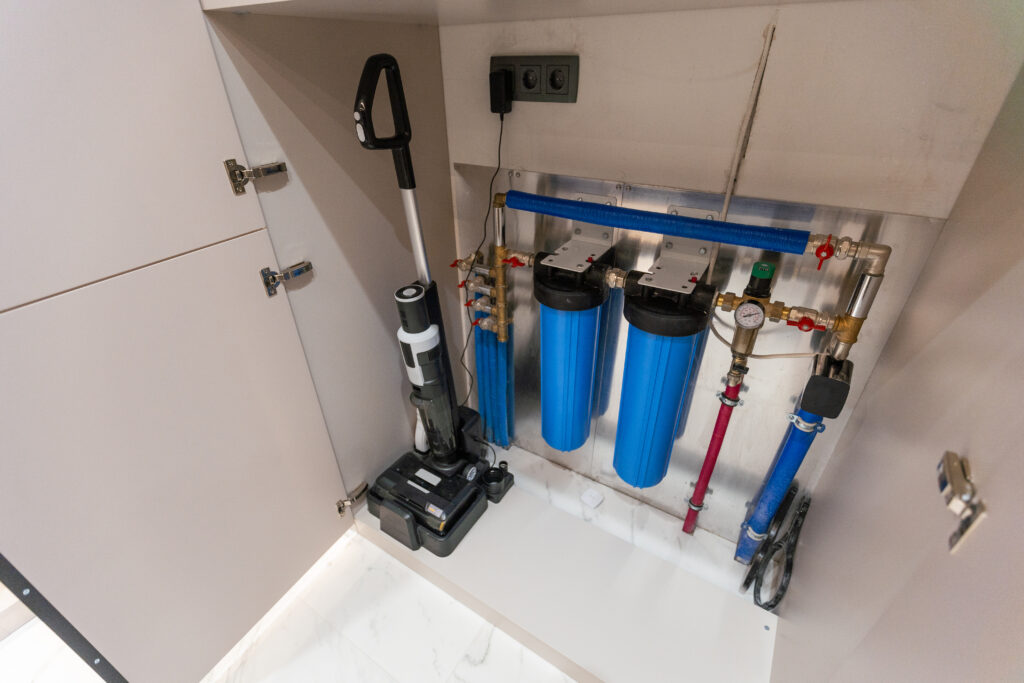
One of the most important built-in vacuum cleaning tips is keeping the dirt collection unit from overfilling. A full canister or bag restricts airflow and lowers suction.
Best practice:
Ignoring this step forces the motor to work harder, shortening its lifespan.
Most built-in vacuum systems include a filter designed to trap fine particles. When filters clog, airflow drops and dust may circulate back into the home.
Filter care tips:
Clean filters improve suction and help maintain healthier indoor air.
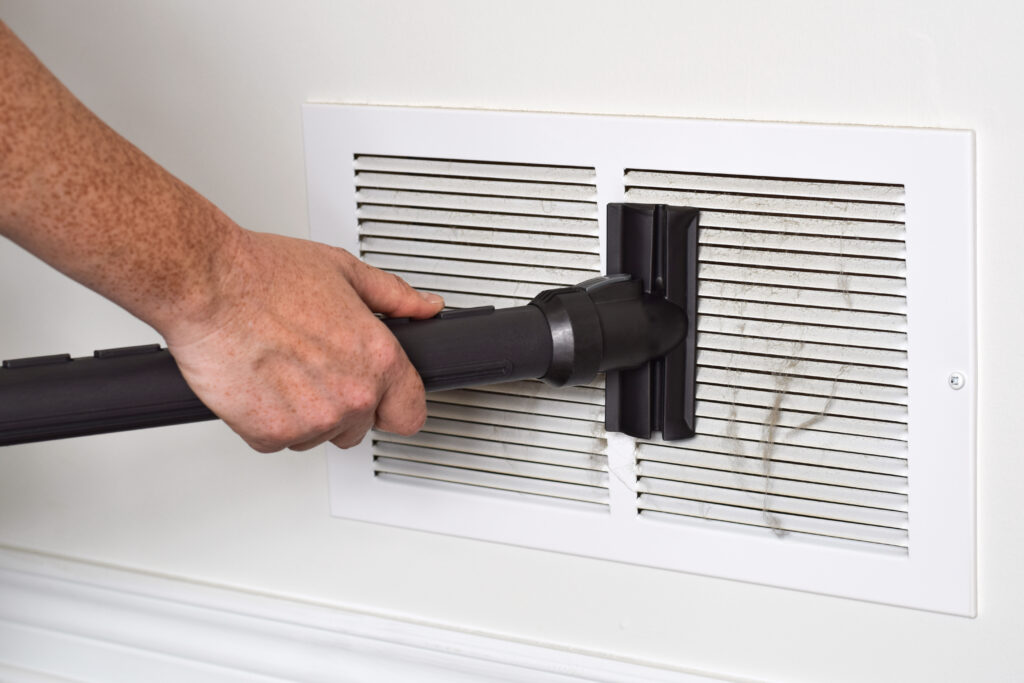
Wall inlets can collect hair, dust, or small debris that disrupts airflow. A quick inspection helps prevent deeper clogs in the tubing.
How to maintain wall inlets:
Keeping inlets clear ensures smooth airflow throughout the system.
Hoses often trap hair, toys, or large debris, especially in homes with kids or pets.
Simple hose cleaning method:
Avoid using rigid tools that could puncture or damage the hose lining.
Using incorrect tools can reduce cleaning efficiency and cause unnecessary wear.
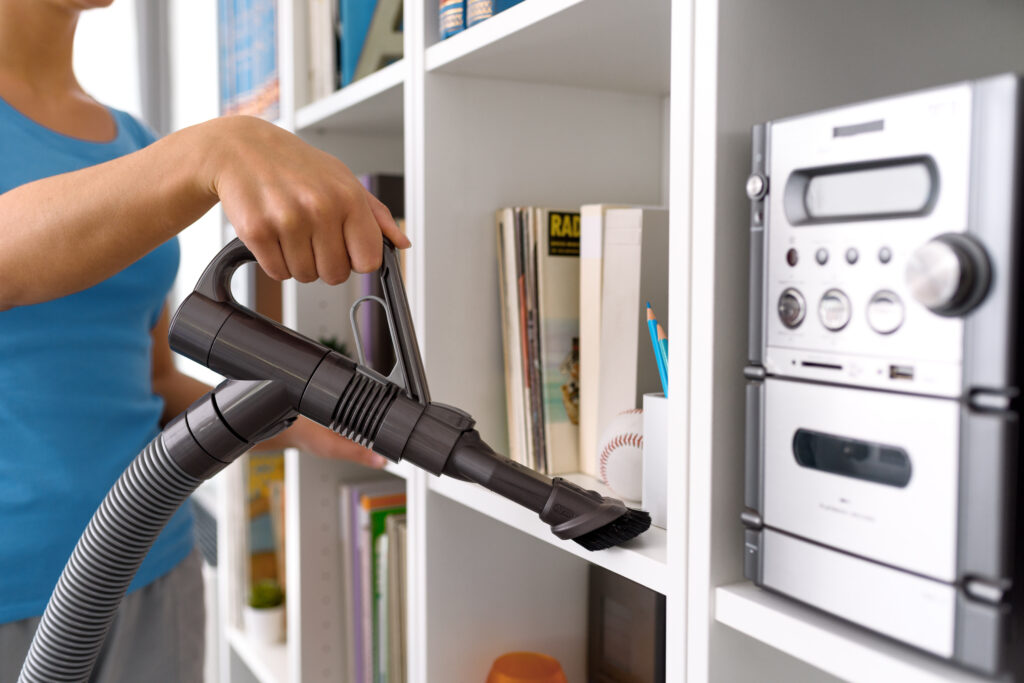
Attachment tips:
Proper tools protect surfaces while reducing stress on the system.
One of the most overlooked built-in vacuum cleaning tips is paying attention to how your system sounds and feels. Sudden loss of suction or unusual noises often indicate a clog or maintenance issue.
Warning signs include:
Early detection helps prevent major repairs.
Even with regular homeowner maintenance, professional servicing ensures your system operates at peak efficiency. Experts can inspect tubing, motors, electrical components, and seals that are difficult to access.
Homeowners often rely on So Cal Central Vacuum for expert inspections, system cleanouts, and performance checks that keep built-in vacuum systems running like new.
Protect your investment by avoiding these common errors:
Small habits can lead to expensive problems over time.
Following these built-in vacuum cleaning tips helps maintain powerful suction, extend system life, and protect indoor air quality. With consistent care, a built-in vacuum system remains one of the most efficient and convenient cleaning solutions for any home. When professional support is needed, So Cal Central Vacuum provides trusted expertise to keep systems performing at their best.
You should inspect and clean your built-in vacuum system every 3–6 months, depending on usage and household size.
Loss of suction is usually caused by clogged filters, full dirt canisters, blocked hoses, or debris stuck in wall inlets.
Yes, washable filters can be rinsed with water and fully air-dried before reinstalling. Disposable filters should be replaced as recommended.
Weak suction at one inlet, whistling sounds, or debris not moving properly through the hose are common signs of a blockage.
Yes, periodic professional inspections help detect hidden clogs, motor wear, and airflow issues that homeowners may miss.